
Looking Ahead to 2030
Key Challenges and Opportunities
Whether your goal is to boost energy efficiency, cut carbon emissions, enhance IAQ – or all of the above – Lumalier’s client-driven, science-based solutions are designed to help you get there.
Rising Electricity Demand
By 2030, the rapid growth of AI and data centers is expected to significantly increase electricity consumption, placing new demands on the power grid. While the estimates on the increases vary by study, a recent article on goldmansachs.com states:

In a recent article on scientificamerican.com, the estimate is that data centers will use twice as much energy by 2030 – driven by AI:

Buildings Use a Lot of Energy – Energy Use in Air Handling Units (AHUs)

And while estimates vary, Air handling systems currently account for approximately 35% of a building’s total energy use.
Indoor Air Quality (IAQ) Concerns

How much ventilation is enough?****
Source: cdc.gov
- When possible, aim for 5 or more air changes per hour (ACH) to help reduce the number of viral particles in the air at workplace.
- Filtration and air cleaning systems provide equivalent air changes per hour (eACH).
- ACH and eACH can be added together for comparison with the 5+ ACH goal.
- You can calculate how much air is required to achieve 5 ACH using the room area and ceiling height.
Challenge Summary
Enhancing indoor air quality (IAQ) is essential for creating healthier buildings, and one of the most effective strategies is increasing ventilation. However, boosting ventilation through air handling units (AHUs) significantly raises energy consumption, leading to higher operational costs and greater demand on the power grid. This surge in energy use also contributes to increased carbon emissions, amplifying environmental concerns.
These are interconnected challenges - not only financial and environmental but also related to infrastructure. Evaluating solutions that can be implemented today, can have a positive impact preparing for the years ahead. Do you see these challenges as having significant safety and security risks with national-level implications? Would you like to learn more about how to address these challenges? We are here to discuss a balanced approach incorporating UVC that supports energy efficiency, sustainability, and improved indoor environments.
How Can UVC Help?
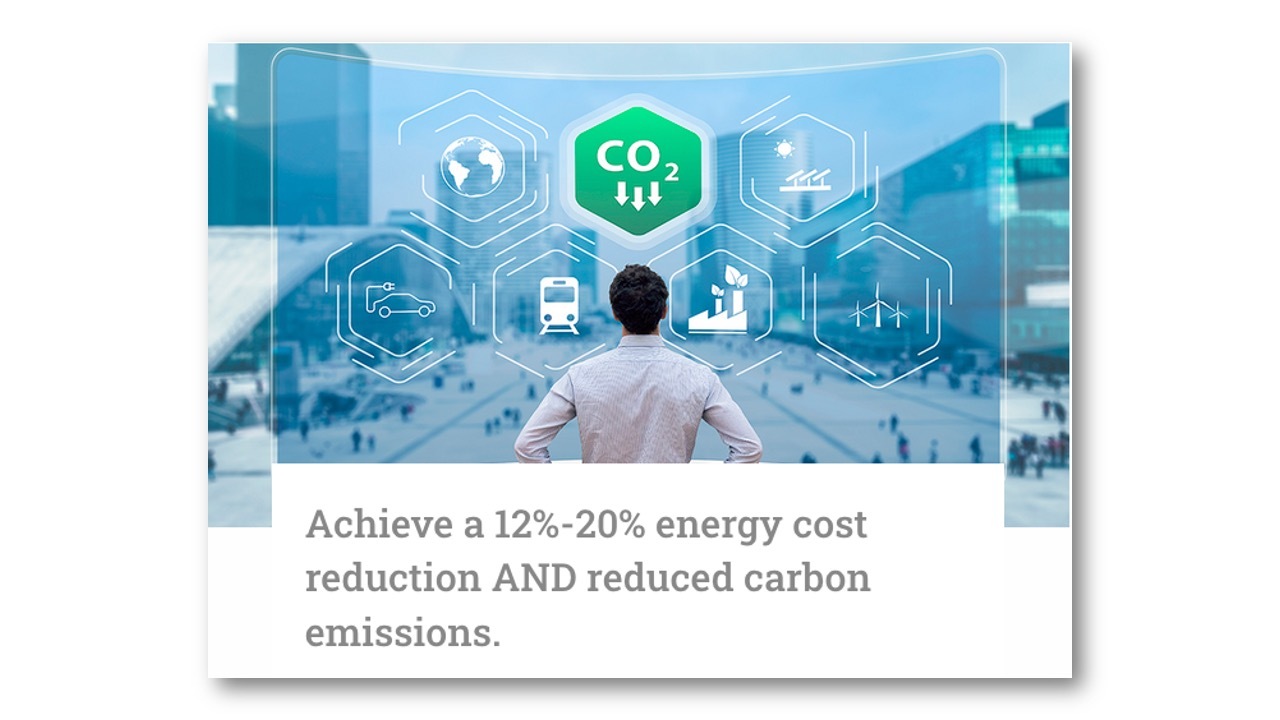
Targeted UVC Solutions can play a vital role in addressing both energy efficiency and IAQ challenges:
Enhance AHU Efficiency
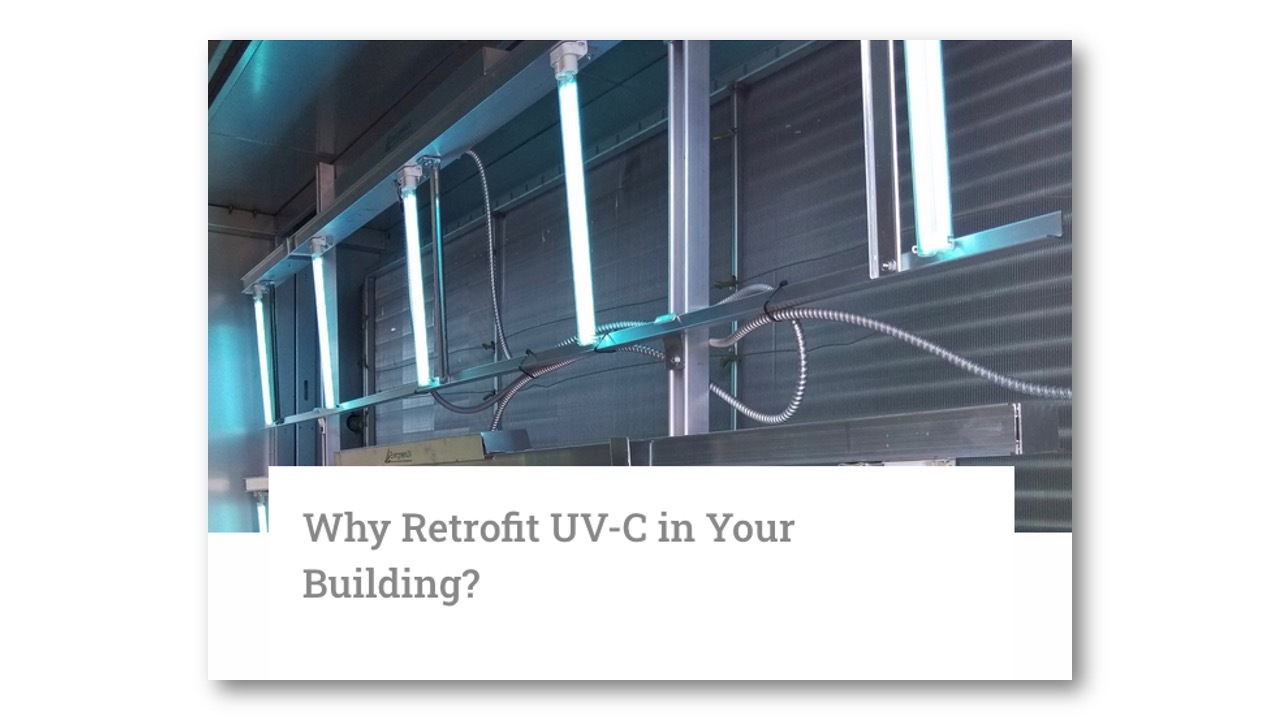
In air handling units, UVC improves coil cleanliness and airflow efficiency, lowering energy costs while extending system life.
Improve Indoor Air Quality
In-AHU UVC combined with upper-air UVC improves IAQ with cleaner, healthier air by addressing airborne pathogens from a facility-wide approach and a targeted approach in higher-risk spaces.


Want to Learn More?
Contact us to learn more about how our client-driven, science-based UVC solutions can support a building’s energy and IAQ goals. Call us at (901) 800-1709.
Article Source Information:
**Source: scientificamerican.com
Date of this article: September 16, 2025